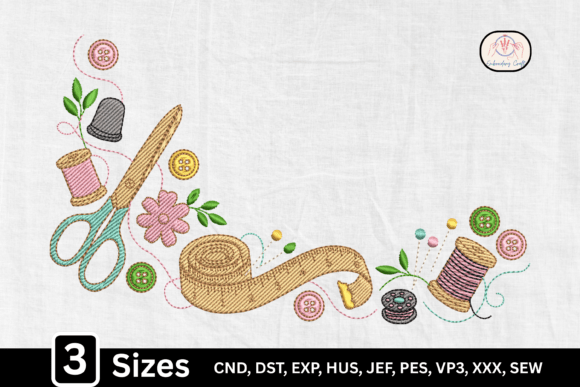
Sewing Corner Sewing Tools
First Impression: A Charming and Versatile Design
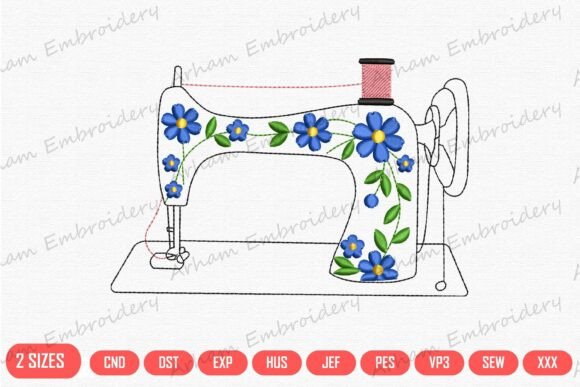
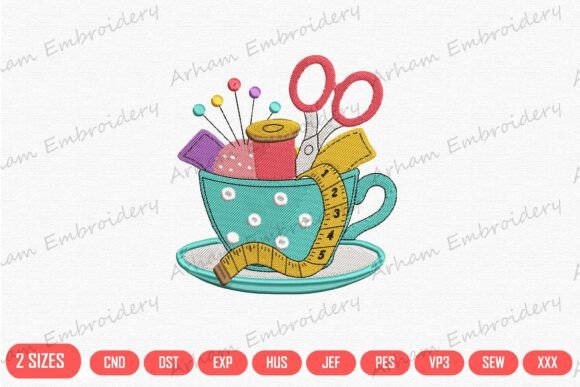
Sewing Corner Sewing Tools makes a strong first impression with its clean, approachable design. It feels charming and practical, perfect for those who love the blend of function and creativity in their sewing projects. The design is neither too bold nor too minimal—it strikes a balance that appeals to a wide range of crafters. It’s the kind of embroidery file that feels ready to be used on a variety of products, from everyday items to special handmade gifts.
Design Appeal Across Product Types
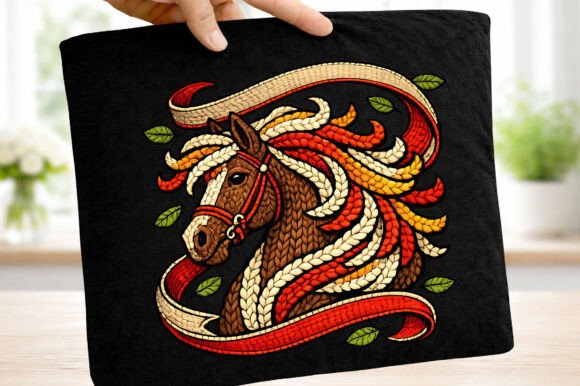
The Sewing Corner Sewing Tools design works exceptionally well across multiple product types, making it a versatile choice for any craft fair or handmade market booth. On tote bags, it adds a subtle yet eye-catching detail that enhances the overall aesthetic without overwhelming the fabric. For aprons, the design can serve as a focal point, especially when paired with neutral or earthy tones. Tea towels benefit from the design’s simplicity, allowing it to stand out while maintaining a soft, farmhouse feel.
When applied to embroidered patches, the design becomes a small but impactful statement piece. It’s also ideal for fabric pouches and pillow covers, where it can be used as either an accent or a central element. The design performs well on market bags and gift items, offering a touch of personality that customers will appreciate. As a digital embroidery file, it’s easy to adapt to different formats and sizes, ensuring it fits seamlessly into both commercial embroidery and handmade product lines.
Practicality for Production and Sales
One of the strongest selling points of Sewing Corner Sewing Tools is its ease of understanding at a glance. The design is intuitive, making it accessible even for beginners. This is particularly valuable for Etsy sellers and small shop owners looking to offer beginner-friendly options. The design also works well as both a small accent and a large focal point, giving creators flexibility in how they incorporate it into their products.
Photographically, the design holds up well on online listings. Its clean lines and consistent patterns make it look professional and appealing in printable mockups. However, it’s important to consider how the design appears at smaller sizes. While it maintains clarity on larger items like tote bags and aprons, it may lose some detail on smaller surfaces such as caps or fabric pouches. Testing the design on scrap fabric before full production is highly recommended to ensure quality and consistency.
Design Considerations for Embroidery Success
Embroidery designers should pay close attention to stitch density and thread color contrast when using Sewing Corner Sewing Tools. Areas with dense stitching may require additional stabilizer to prevent puckering, especially on thicker fabrics. The design includes some small lettering and intricate details, which can be tricky to render clearly on dark or textured fabrics. Fabric texture plays a significant role in how the design looks, so it’s essential to test it on a variety of materials before finalizing the product.
Curved surfaces like those found on caps can pose challenges in terms of stitch placement and alignment. Using the right stabilizer and confirming the appropriate hoop size are critical steps to ensure the design looks its best. Additionally, checking the design assets for file format and compatibility with embroidery machines is necessary to avoid any production delays.
Maximizing Visual Appeal and Customer Engagement
The Sewing Corner Sewing Tools design has the potential to significantly enhance the visual appeal of handmade products. Its charm and functionality make it a great addition to any craft fair product lineup. When displayed in a booth, it can draw customer attention due to its distinctive and approachable style. Pairing it with other complementary designs can create a cohesive brand identity, reinforcing brand consistency and increasing buyer engagement.
For handmade product creators, this design offers a unique way to differentiate their offerings in a competitive market. Its versatility allows for creative experimentation, whether through custom color variations or mixed media applications. Customers are likely to notice the attention to detail and the quality of the finished product, which can help elevate the perceived value of the item.
Final Thoughts for Embroidery Designers
As an experienced embroidery designer, I would recommend Sewing Corner Sewing Tools for those looking to expand their product range with a design that balances aesthetics and practicality. It’s a great option for small shop product lines, offering a reliable and marketable option for both commercial embroidery and digital embroidery file sales. Before moving forward, it’s crucial to review all technical aspects, including thread colors, stitch density, and hoop size, to ensure the highest quality results.
Testing the design on a variety of fabric textures and creating at least one real mockup will provide valuable insights into how the design performs in practice. Confirming commercial licensing rights is also an essential step before selling finished products. With careful planning and execution, Sewing Corner Sewing Tools can become a standout item in your collection, helping you attract more customers and increase your sales at craft fairs and handmade markets.